
Planning a stay in Crete?
Tell us your dates and who is travelling, and our team will suggest villas and experiences that fit.
Crete, the largest of the Greek islands, is renowned for its stunning natural beauty, rich history, and diverse cultural heritage. However, the island's climate is equally captivating, and its winters are among the mildest in Greece. In this guide, we explore how the weather in Crete changes through the year, so you can make the most of your visit, no matter the season.
Crete's climate is characterized by hot, dry summers and mild, wet winters, with pleasant transitional seasons in spring and autumn. The island's diverse geography, which includes rugged mountains, rolling hills, and long coastlines, creates varied microclimates: the south coast and the inland plains are usually hotter in summer than the north coast, while the high mountains see snow in winter.
Crete weather at a glance: averages by month
The table shows long-term averages for Heraklion, on the north coast, where the island's main airport is located.
| Month | Average high | Average low | Days with rain | Sea temperature |
|---|---|---|---|---|
| January | 15°C | 9°C | 10 | 17°C |
| February | 15°C | 9°C | 9 | 16°C |
| March | 17°C | 10°C | 7 | 17°C |
| April | 20°C | 13°C | 3 | 17°C |
| May | 24°C | 16°C | 2 | 20°C |
| June | 29°C | 20°C | 0–1 | 23°C |
| July | 30°C | 23°C | 0 | 25°C |
| August | 30°C | 23°C | 0 | 26°C |
| September | 28°C | 20°C | 1 | 25°C |
| October | 24°C | 18°C | 5 | 23°C |
| November | 20°C | 14°C | 6 | 21°C |
| December | 17°C | 11°C | 9 | 18°C |
Sources: Hellenic National Meteorological Service normals for Heraklion airport (1991–2020; days with at least 1 mm of rain) and average sea temperatures from Weather Atlas, both as listed on Wikipedia. Figures are rounded long-term averages; the south coast and inland areas are often hotter in summer.
The seasons in Crete
Spring in Crete (March to May)
As spring arrives in Crete, the island undergoes a remarkable transformation. The landscape springs to life, with wildflowers blanketing the countryside and temperatures gradually rising. In Heraklion, average highs climb from about 17°C in March to 24°C in May, with nights between 10°C and 16°C. Showers become rarer as the season goes on: March still sees about seven rainy days, May only two.
The higher mountains can keep their snow into spring, but the coastal areas and lower-lying regions enjoy mild, comfortable conditions, making it an ideal time for hiking, exploring ancient ruins, and experiencing the island's Easter celebrations.
Summer in Crete (June to August)
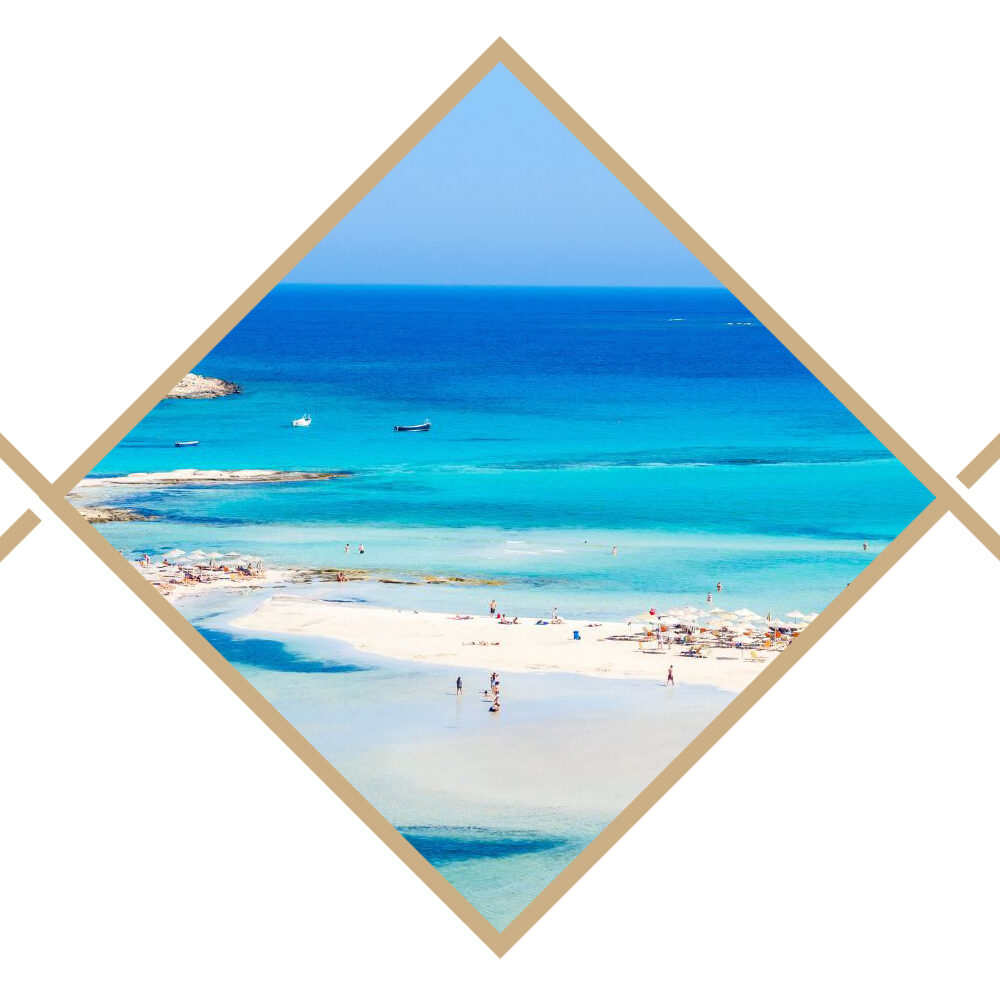
Crete's summers are renowned for their heat and abundant sunshine, creating a paradise for sun-seekers and beach lovers. In Heraklion, average highs are about 29°C in June and 30°C in July and August, with warm nights around 20°C to 23°C. Inland and on the south coast it is often several degrees hotter, and heatwaves can push temperatures well above 35°C.
Rain is almost unknown in July and August, and the sea is at its warmest, around 25°C to 26°C. Strong northerly winds, the meltemi, often blow in mid-summer and keep the north coast fresher. The evenings bring a gentle sea breeze, perfect for dinners by the water in the island's coastal towns and villages.
Autumn in Crete (September to November)
As summer gives way to autumn, Crete experiences a gradual cooling of temperatures and the return of rain. In Heraklion, average highs fall from about 28°C in September to 24°C in October and 20°C in November, with nights cooling from 20°C to 14°C. September is still almost dry, while October and November bring five to six rainy days a month.
The sea stays warm for a long time, at about 25°C in September and 23°C in October, which makes early autumn one of the best times for swimming. It is also an excellent time for hiking, exploring ancient sites, and enjoying the island's harvest and wine festivals.
Winter in Crete (December to February)
Crete's winters are among the mildest in Greece. In Heraklion, average highs are about 15°C to 17°C and lows around 9°C to 11°C. This is the wettest time of year, with roughly nine to ten rainy days a month, while the high mountains such as Psiloritis and the White Mountains are often covered in snow.
The coastal areas remain relatively temperate, with plenty of sunny days for visiting historic sites, exploring charming villages, and enjoying the island's culinary delights. Crete's winter is milder than many other European destinations, making it an attractive option for those seeking to escape harsher conditions elsewhere.
The best time to visit Crete
The best time to visit Crete depends on your personal preferences and the type of experience you're seeking. Some general guidelines:
Spring (March to May): Mild temperatures and the island's natural beauty in full bloom make spring an excellent time for outdoor activities, cultural exploration, and avoiding the peak crowds.
Summer (June to August): If you're seeking sun, sea, and warm temperatures, summer is the prime time to visit. The beaches, water sports, and coastal towns are in full swing.
Autumn (September to November): Warm seas, fewer crowds and harvest festivals. September and October are ideal for combining beach days with hiking and sightseeing.
Winter (December to February): The low season for tourism, but a good time to immerse yourself in the island's history, visit museums and archaeological sites, and enjoy local life without the crowds.
How to prepare for the weather in Crete
Regardless of the season, it's worth being prepared for the island's varied conditions. Here are some tips to help you pack and plan:
- Layering: Pack lightweight, breathable clothing that can be layered, as temperatures can change through the day, especially in spring and autumn.
- Sun protection: Bring sunscreen, hats, and sunglasses to protect yourself from the strong Mediterranean sun, particularly in summer.
- Waterproof gear: A lightweight rain jacket or umbrella is useful from October to April.
- Comfortable footwear: Choose sturdy shoes for walking, as you'll likely explore gorges, trails, and historic sites.
- Adaptability: Be ready to adjust your plans, as conditions can differ between the north and south coasts and the mountains.
Weather-related activities in Crete through the year
Spring:
- Hiking and trekking through the island's blooming landscapes
- Visiting ancient ruins and archaeological sites
- Joining local festivals and Easter celebrations
Summer:
- Swimming, snorkeling, and water sports in the clear Mediterranean waters
- Exploring the island's picturesque coastal towns and villages
- Attending outdoor concerts and cultural performances
Autumn:
- Hiking in cooler, quieter conditions
- Visiting historic sites and museums
- Enjoying the harvest season and the island's culinary delights
Winter:
- Exploring the island's historic towns and villages
- Visiting ancient ruins and archaeological sites
- Enjoying the island's cultural heritage and traditional celebrations
Frequently asked questions about the weather in Crete
What is the hottest month in Crete?
July and August are the hottest months. In Heraklion the average high is about 30°C, while the south coast and inland areas are often several degrees hotter, and heatwaves can push temperatures above 35°C.
What is the coldest month in Crete?
January and February are the coldest months, with average highs of about 15°C and lows of about 9°C in Heraklion. Snow falls on the high mountains, but rarely on the coast.
When is the best time to visit Crete?
Late May, June, September and October offer warm weather without the peak heat and crowds of midsummer. The sea is warmest from July to September.
Is Crete warm in October?
Yes. In October average highs in Heraklion are about 24°C and the sea is still around 23°C, warm enough for swimming, although rain becomes more likely later in the month.
When is the rainy season in Crete?
Most rain falls from November to February, with about six to ten rainy days a month. December and January are the wettest months, while July and August are almost completely dry.
Can you swim in Crete in May?
Yes, although the water is still refreshing: the sea averages about 20°C in May, rising to around 23°C in June.
Conclusion
Crete's changing weather is a testament to the island's diverse and captivating natural environment. Whether you're seeking sun-drenched beaches, mountain landscapes, or a quieter off-season escape, Crete has something to offer throughout the year. By understanding the climate and preparing for the conditions, you can plan a truly memorable visit.
When you know your dates, explore our villas in Crete, many of them with a private pool, and tour them in 3D before you book.
A private pool makes the hot months easier: you can cool off between beach trips and keep the midday hours for a swim at home. In Chania, Villa Coralia has six bedrooms for large families, Villa Ares has four and Villa Aesop two. For couples, Villa Pan, Villa Hera IC and Villa Hera IIB are one-bedroom villas, each with its own pool.